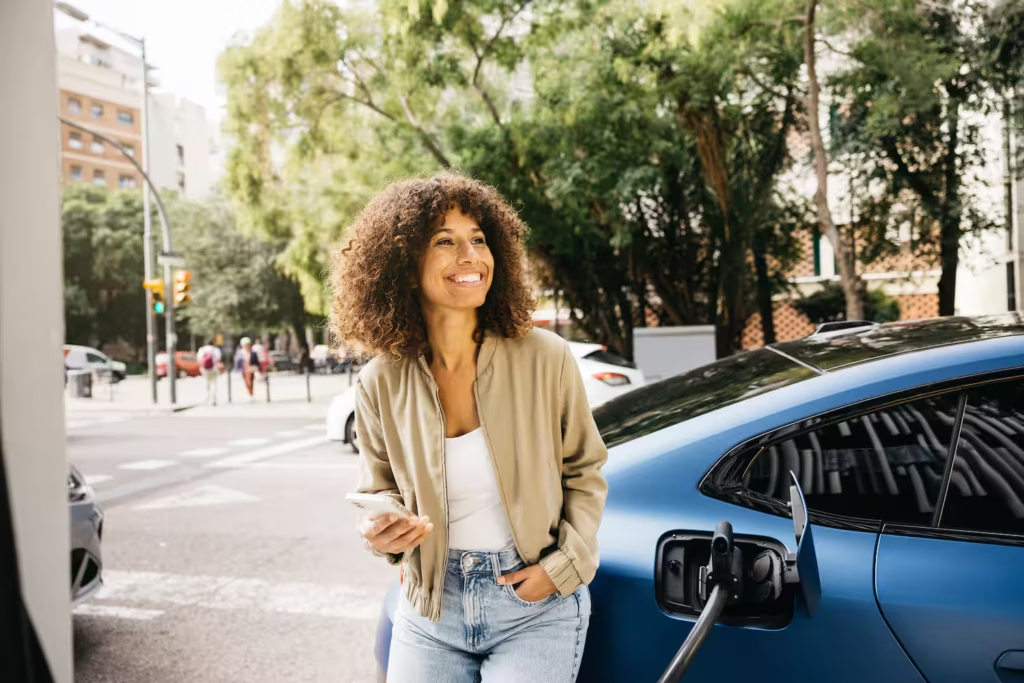
The popularity of hybrid and electric vehicles is growing rapidly, and many drivers have questions about their long-term vehicle maintenance, including protection against corrosion.
Myth 1: Rust-proofing treatment damages electrical components
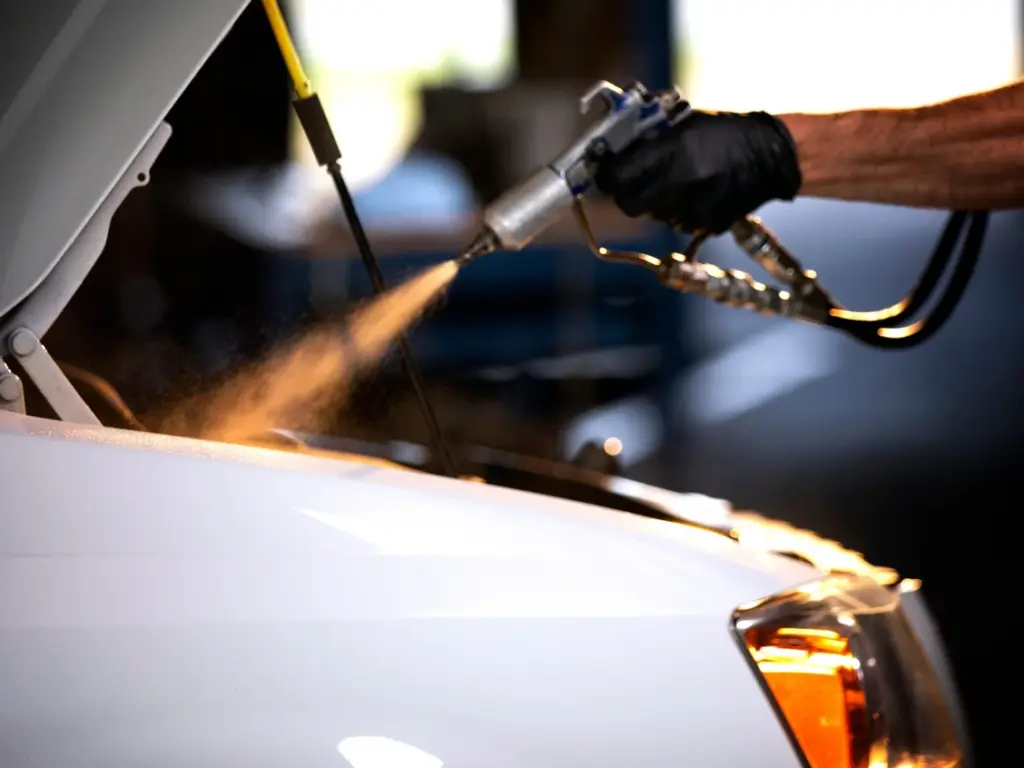
False. Electric vehicles are designed to withstand weather conditions, and their sensitive components, such as the battery, sensors, and electronic systems, are already well protected. Furthermore, the rust-proofing product used by Antirouille Métropolitain is dielectric, meaning it does not conduct electricity. The treatment is applied by qualified technicians who target only the body of the vehicle and avoid sensitive areas, ensuring a safe application.
Myth 2: Rust-proofing treatment voids the manufacturer’s warranty
This is also a misconception. Under the law, a manufacturer cannot void a warranty simply because a maintenance service such as rust-proofing was performed elsewhere. They must prove beyond doubt that the product caused the damage. You can therefore protect your vehicle without compromising your warranty.
Myth 3: Electric vehicles don’t rust
Contrary to what one might think, electric vehicles are not immune to corrosion. While some materials, such as aluminum, do not rust the same way steel does, they can still deteriorate. In addition, many components, particularly those underneath the vehicle, are still made of steel and are exposed to the elements. Moisture, salt, and winter abrasives accelerate this corrosion process.
In summary, rust-proofing treatment remains an essential solution for protecting your vehicle. Whether it runs on gasoline, is a hybrid, or is fully electric, an annual rust-proofing treatment helps extend its lifespan, avoid costly repairs, and preserve its value.