Many people mistakenly believe that cold winter temperatures cause vehicle rust. In reality, it’s not the temperature itself, but rather the combination of winter conditions that accelerates corrosion.
Moisture remains the primary natural cause of corrosion. Whether it comes in the form of water, snow, or even humidity in the air, it promotes and speeds up rust formation. During winter, snow accumulates under the vehicle, and the heat generated while driving causes it to partially melt, creating damp areas in direct contact with metal.
On top of that, salt, calcium, sand, and other abrasives used on roads contribute directly to body damage and accelerate corrosion. Their effects vary: salt and calcium trigger chemical reactions that attack metal, while sand and abrasives scratch and weaken the surface. As they accumulate and trap moisture, they create ideal conditions for rust to develop.
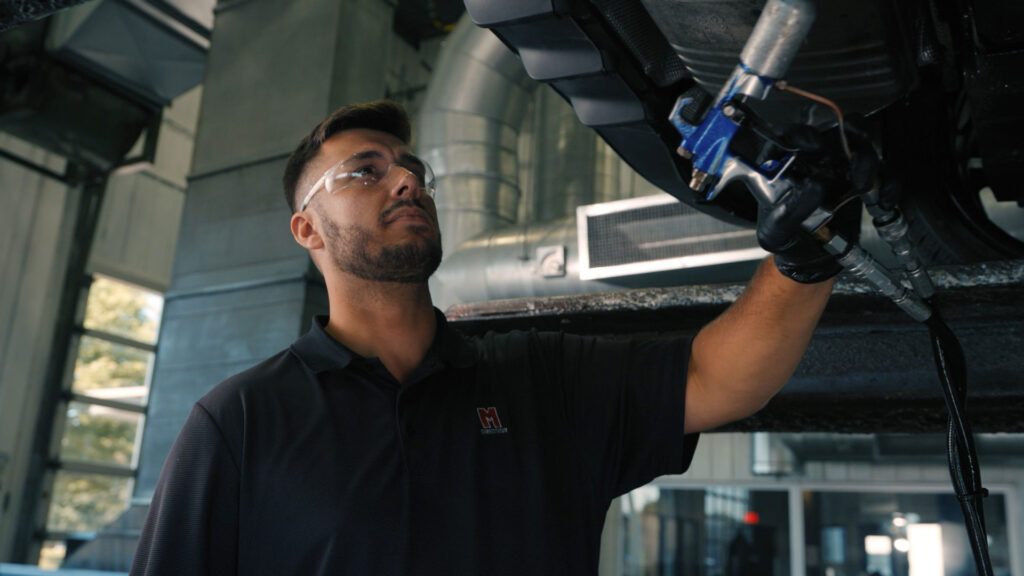
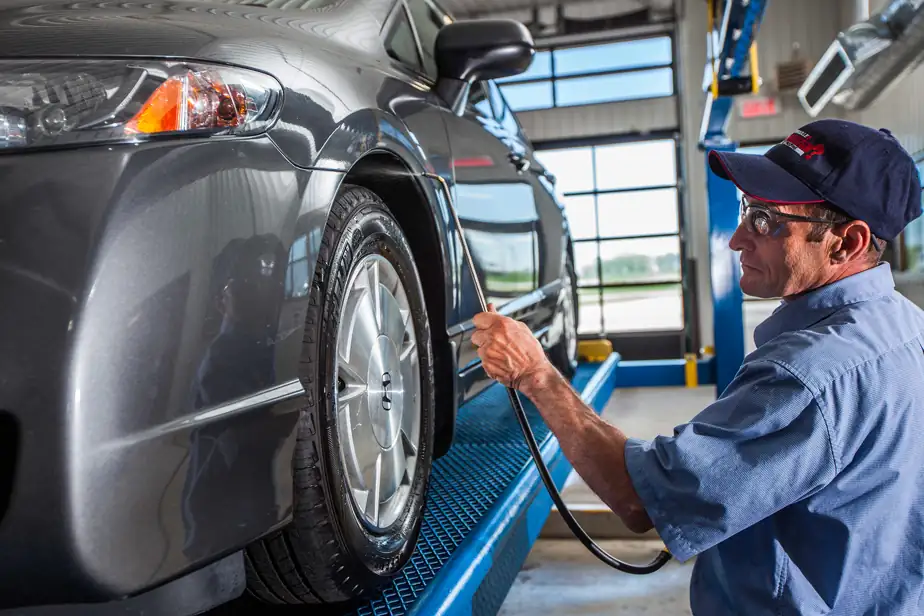
Rust always targets the most vulnerable areas of your vehicle’s body. It only takes one winter for several weakened spots to appear. That’s why CAA Quebec recommends an annual rustproofing treatment with a recognized provider such as Antirouille Métropolitain.