
Winter in Quebec can be especially hard on a vehicle. But surprisingly, cold temperatures aren’t the main problem. It’s the combination of moisture, road salt, calcium and frequent temperature changes that creates ideal conditions for rust to develop.
During the winter, snow and slush mixed with salt and calcium constantly build up underneath vehicles. Because these products lower the freezing point of water, that salty mixture can stay wet even when temperatures drop. Once the vehicle is running and begins to warm up, anything frozen underneath can melt again. The result is moisture that can remain in contact with metal surfaces and find its way into cracks and hard-to-reach areas.
Some parts of a vehicle are naturally more exposed than others. Wheel wells and rocker panels, for example, take a lot of abuse from snow, gravel, salt and other road debris. Even a small scratch or dent can create a vulnerable area where corrosion may eventually appear. Parking in a heated garage can also contribute to the process, since accumulated snow and salty slush repeatedly melt.
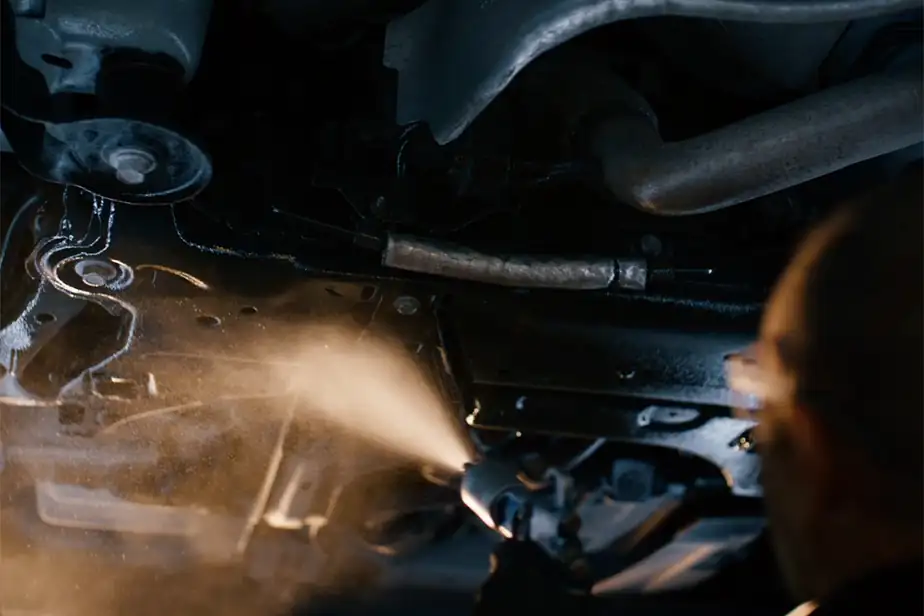
That’s where rustproofing can make a difference. The treatment creates a protective barrier between the vehicle and the moisture and road contaminants that contribute to corrosion. For Quebec drivers, regular rust protection can be an important part of keeping a vehicle in good condition over the years.
Antirouille Métropolitain has been protecting Quebec vehicles since 1976. The family-owned company now has 16 locations across the province and performs approximately 250,000 rustproofing treatments each year. After 50 years in business, one thing hasn’t changed: Quebec winters remain particularly demanding on our vehicles, making corrosion protection as relevant as ever.